Meet our speakers

| Marta Lopez | ICRI Biennial Conference

Explore the biographies and full abstracts below.

Keynote Speakers

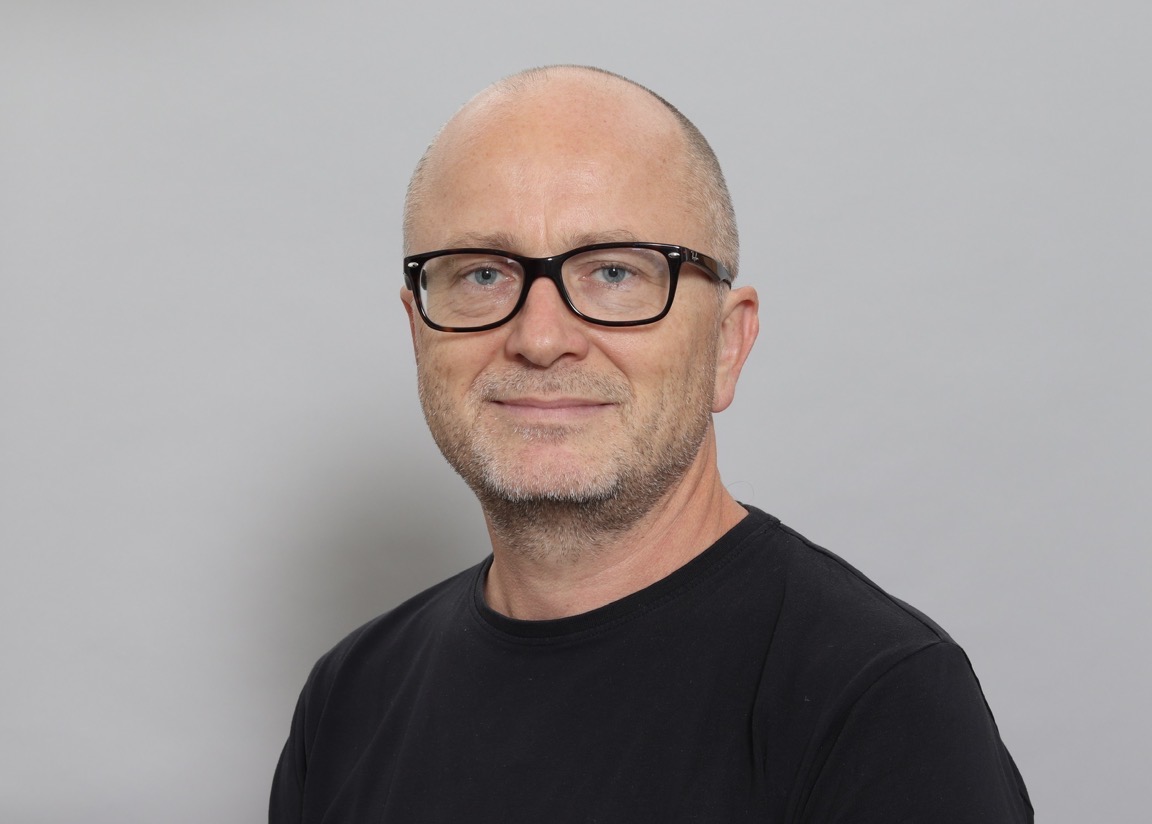
Morten Ryhl-Svendsen

Morten Ryhl-Svendsen

Royal Danish Academy

Sustainable Museum Storage in Denmark: Lessons from Two Decades of Low-Energy Building Development

Read abstract

Over the past three decades, museum storage has evolved from one of the weakest aspects of collections management in Denmark to an international model for sustainable preservation. This presentation traces the development from inadequate and poorly controlled storage facilities identified in the early 2000s to the establishment of shared regional repositories and purpose-built low-energy storage buildings. It examines the emergence of the Danish low-energy storage concept, which combines airtight, well-insulated buildings, thermal inertia, and limited mechanical dehumidification to achieve stable preservation environments with very low energy consumption. Drawing on recent studies of Danish museum repositories, the paper evaluates building performance in terms of indoor climate, collection preservation, energy use, and life-cycle climate impact, and discusses future opportunities for reducing embodied carbon through alternative materials and circular construction strategies, as well as exploring the possibilities of incorporating the low-energy concept by transforming existing buildings for museum use.

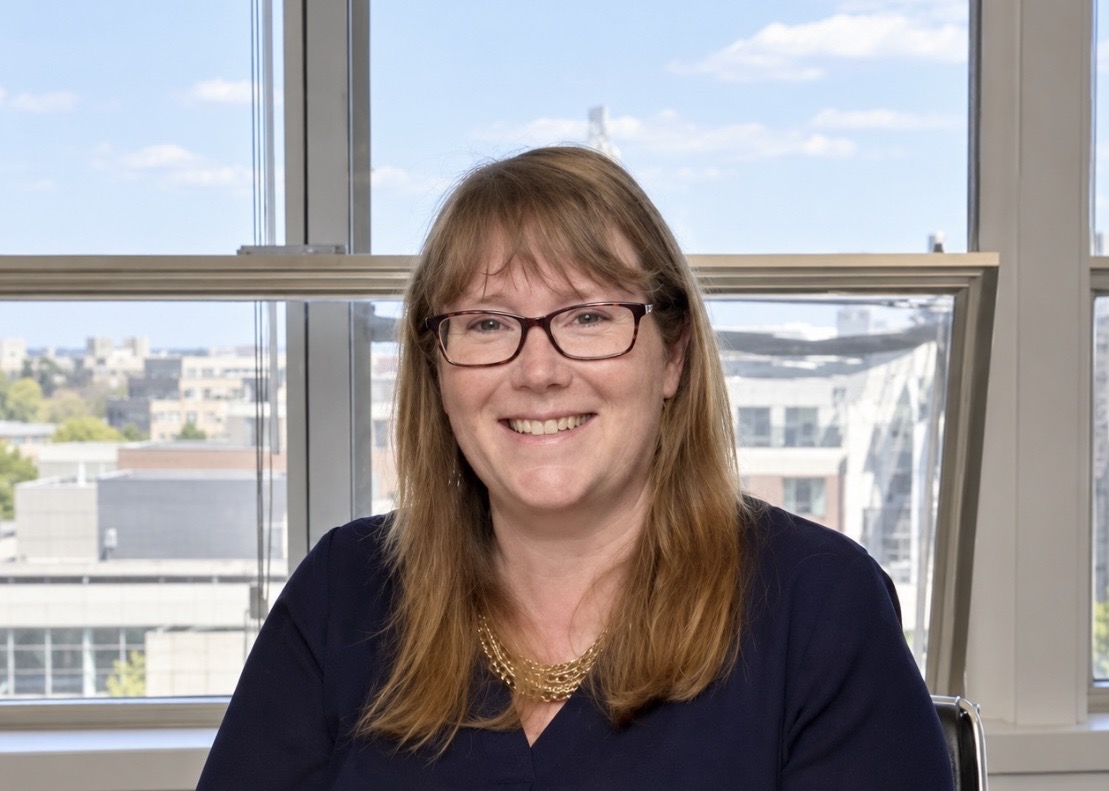
Bart Ankersmit

Bart Ankersmit

Cultural Heritage Agency of the Netherlands

From Climate Data to Climate Decisions

Biography

In recent years, Bart has become very involved in advancing and sharing risk management practices. He has applied these strategies specifically to address risks related to indoor climate conditions. In 2017, he published Managing Indoor Climate Risks, which includes a 9-step decision-making model. He has also led several successful workshops, both nationally and internationally, on managing indoor climate in museums. As a museum climate consultant, Bart is focused on finding sustainable solutions for museums. His recent research includes topics such as determining the ideal ventilation and recirculation ratios in museum galleries and analyzing energy consumption in HVAC systems.

Read abstract

Museum climate management has evolved from the application of fixed environmental setpoints towards risk-based strategies that balance collection preservation, building performance and energy consumption. This shift requires collection managers to base climate control decisions on an understanding of the interactions between collections, buildings and HVAC systems, supported by high-quality climate and operational data.

This paper discusses the role of climate data throughout the decision-making process for developing museum climate control strategies. Using examples from museum practice, it demonstrates how temperature and relative humidity data can be analysed to assess environmental performance and quantify mechanical, chemical and biological risks. In addition, it illustrates how information obtained from building management systems, including airflow rates, valve positions and HVAC operating data, provides valuable insight into system behaviour and opportunities for optimisation.

The presentation/paper argues that climate data analysis should not be limited to evaluating compliance with environmental specifications, but should also be used to make well informed decision about collection preservation, system optimisations and sustainability. This approach supports the ongoing transition from prescriptive climate standards towards descriptive, risk-based sustainable climate management.

Jessica Baldwin

Jessica Baldwin

National Archives of Ireland

Census and Sensibility: Conserving Ireland’s 1926 Census

Biography

Jessica Baldwin is an accredited paper conservator with over thirty years’ experience of caring for collections. She trained in Camberwell College before moving to Ireland in 1995 to work at Trinity College Library. In 2003 she moved to the Chester Beatty to establish the museum’s conservation department before taking on the role of Head of Collections. A three-year career break in 2019 allowed her to complete an MA in Museum Practice and Management and work at the National Archives Ireland as a project conservator on the collections salvaged following the destruction the Public Record Office in 1922. She was appointed Senior Conservator at the Archives in 2022.

Read abstract

Ireland’s first census following the foundation of the Free State was taken on 18 April 1926 and recorded a population of 2,971,992 across the 26 counties. It provides a detailed snapshot of life in Ireland by gathering 21 data sets including age, birthplace, occupation, religion, housing conditions and use of the Irish language. The personal information held remained under the control of the Central Statistics Office (CSO) for 100 years until the records were formally transferred to the National Archives Ireland (NAI) on 18 April 2026. The National Archives undertook an ambitious three-year project to catalogue, conserve, digitise and transcribe over 600,000 household forms and 120,000 enumerator abstract forms to make them freely available to search online. Their condition meant that conservation was essential prior to digitisation, and it proved to be one of the most time-consuming and physically challenging elements of the project. Thanks to the meticulous efforts of the team the 1926 Census forms were not only stable enough to withstand the handling required for digitisation but are now preserved for future generations. This paper will explore the challenges faced when undertaking such a high-profile project in-house for the first time. It will provide practical insights into how work plans were developed and critical decisions made to meet the very public deadline. It will emphasise the necessity to be flexible, innovative and responsive to changing circumstances when managing a large-scale project. It will highlight the importance of advocating for conservation best practice at an interpersonal, organisational and national level.

Conference Speakers

Anna McCann

Anna McCann

Monaghan County Museum

Moving on a Shoestring: Practical Lessons from the Monaghan County Museum Relocation

Biography

Anna McCann is the Collections Officer at Monaghan County Museum. With fifteen years' regional museum sector experience, she holds a BA (Hons) in Conservation and Restoration from Lincoln University and an MA with Distinction in Museum Practice Management from the University of Ulster. Her work focuses on improving and implementing professional standards in preventive conservation, policy development, and project delivery. She manages collections preservation across storage and display, offering practical expertise in delivering multifaceted projects that connect the public with the museum's collections.

Read abstract

Moving a museum collection is rarely straightforward. Undertaking a multi-year move with a small team and a limited budget, brings a different level of challenge. This paper offers a practical, honest account of relocating the Monaghan County Museum collection to the new Peace Campus between 2021 and 2024. The project involved packing, tracking, and transporting over 2,000 objects, including archival material, glass plate negatives, costumes, and large display cases, while working across temporary and constantly changing storage spaces. Without the option of specialist contractors, we relied on low-cost, flexible solutions: hiring local vans with tail lifts, sourcing packing materials in bulk, and training council staff to handle museum objects safely using basic equipment. Alongside the logistics, conservation remained a core concern. We introduced simple condition audits to flag vulnerable objects before movement, created low-cost protective packing where needed, and used clearly defined staging areas to manage environmental change. Just as important were the systems that kept everything under control. We combined Excel-based box audits, movement sheets, and straightforward colour-coded tracking to maintain oversight as objects moved between spaces. The process was far from smooth. Tight access routes, awkward building layouts, and shifting construction timelines required constant adjustment and practical problem-solving. Rather than presenting a flawless template, this paper shares an honest reflection on the reality of the move. It stands as proof that a small museum team can successfully deliver a major collection relocation entirely in-house without a large budget or external specialists. By focusing on realistic decision-making under pressure, it provides adaptable, hands-on strategies for smaller institutions facing similar resource constraints.

Clodagh Neligan

Clodagh Neligan

Trinity College Dublin

Moving Collections, Shifting Priorities, Working with Limits

Biography

Clodagh Neligan, received her MA in Conservation from Northumbria University in 2001. Following graduation, she was awarded a post-graduate fellowship for emerging art conservators from the Samuel H. Kress Foundation at the LuEsther T. Mertz Library at the New York Botanical Gardens. In 2004 she was appointed paper conservator at Trinity College Library and has been professionally accredited since 2006.

Read abstract

Conservation without closure; Decanting the Old Library while maintaining access. This paper will discuss the decant of Trinity College’s Old Library or more commonly titled the OLRP, (Old Library Redevelopment Project). The project presented a unique conservation and logistical challenge in the Library’s 300-year history, with the movement of the entire contents off site. The key priority being how to safely manage the movement of over 750,000 items whilst ensuring they were still available to readers and maintain a business-as-usual environment for the visiting Public. This paper will explore the strategies developed during the decant process and the balancing act that was required, highlighting the human dimension of a large-scale collection move, and the importance of institutional knowledge, communication, and collaboration. We will specifically look at the planning stages, versus the practical evolving approach that was necessary as timelines, spaces and workflows shifted during the project. We discuss why the decant was necessary and how the preservation and conservation department were the key driving force in the project, from ordering equipment and materials, to setting up workspaces to train staff in packing and handling approaches. Assessing the preservation gain of handling every single item, gathering data and carrying out remedial treatment. We will conclude with a brief look at the recant and the proposed plans for the last piece in the collection move.

Dena Horan

Dena Horan

Trinity College Dublin

Moving Collections, Shifting Priorities, Working with Limits

Biography

Dena Horan, worked as a Project Assistant on the Old Library Redevelopment Project since 2021, becoming supervisor of up to 40 project assistants over the course of the project and since 2023 is the Conservation Lab technician at Trinity College.

Read abstract

Conservation without closure; Decanting the Old Library while maintaining access. This paper will discuss the decant of Trinity College’s Old Library or more commonly titled the OLRP, (Old Library Redevelopment Project). The project presented a unique conservation and logistical challenge in the Library’s 300-year history, with the movement of the entire contents off site. The key priority being how to safely manage the movement of over 750,000 items whilst ensuring they were still available to readers and maintain a business-as-usual environment for the visiting Public. This paper will explore the strategies developed during the decant process and the balancing act that was required, highlighting the human dimension of a large-scale collection move, and the importance of institutional knowledge, communication, and collaboration. We will specifically look at the planning stages, versus the practical evolving approach that was necessary as timelines, spaces and workflows shifted during the project. We discuss why the decant was necessary and how the preservation and conservation department were the key driving force in the project, from ordering equipment and materials, to setting up workspaces to train staff in packing and handling approaches. Assessing the preservation gain of handling every single item, gathering data and carrying out remedial treatment. We will conclude with a brief look at the recant and the proposed plans for the last piece in the collection move.

Tanja Kimmel

Tanja Kimmel

University of Applied Arts Vienna · Academy of Fine Arts Vienna

From Hidden Infrastructure to Strategic Asset: Rethinking Museum Storage for Conditions of Change

Biography

Tanja Kimmel is a textile conservator and sustainability researcher with over 20 years of professional experience in preventive conservation, museum storage, and sustainable collection management. From 2004 to 2015, she worked as a textile conservator for various collections of the Kunsthistorisches Museum Vienna and was also responsible for preventive conservation at the museum’s new central storage facility. This experience formed the basis of her doctoral research on carbon footprinting as a conservation management tool for the ecological transformation of museums and storage facilities. Since 2015, she has headed the Textile Conservation Studio at the University of Applied Arts Vienna. In September 2025, she additionally joined the Academy of Fine Arts Vienna as Lead Coordinator of the Research Cluster Sustainability in the Arts, with primary responsibility for its academic and research agendas. Her research focuses on sustainable museum infrastructure, preventive conservation, carbon management, and the ecological transformation of cultural heritage institutions.

Read abstract

Museum sustainability is often discussed in relation to exhibitions, public engagement, or environmental control, while storage facilities remain largely invisible despite housing the vast majority of museum collections. At the same time, climate change, increasing energy costs, growing collections, and spatial constraints are challenging long-established approaches to collection storage. This paper argues that sustainable museum storage must be understood as more than a technical issue of environmental control. Instead, it proposes a holistic framework that reconceptualises storage as a strategic system in which collection development, architectural design, operational management, environmental control, and people-centred workplace design interact to shape long-term sustainability and institutional resilience. Drawing on research undertaken during the planning, operation, and carbon assessment of a major central museum storage facility, as well as broader international developments in sustainable preventive conservation, the paper examines how early planning decisions create long-term sustainability “locks” that influence environmental performance, resource consumption, organisational flexibility, and collection care over decades. It further demonstrates how proportional environmental strategies, low-energy architectural approaches, lifecycle thinking, and adaptive organisational structures can reduce environmental impacts while supporting preventive conservation objectives. By shifting attention from individual technical measures towards the interconnected nature of strategic decision-making, the paper reframes museum storage from hidden infrastructure to a central instrument of sustainable collection stewardship. It argues that storage facilities are not merely places where collections are kept, but active systems that enable museums to respond to changing climatic, institutional, and societal conditions while safeguarding cultural heritage for future generations. Rather than presenting another case study, the paper offers a transferable conceptual framework for understanding museum storage as a sustainability asset, providing practical guidance for conservation professionals facing environmental, institutional, and organisational change.

Lisa O’Hagan

Lisa O’Hagan

National Trust

A Change in Approach: Remediation of Well-Established Mould Growth

Biography

Lisa O’Hagan has worked for the National Trust (for England, Wales, and Northern Ireland) for 12 years. In her current role as Assistant National Conservator - Preventive she provides advice to teams in historic houses on preventive conservation, including light, relative humidity, mould, and insect pests. She is also involved in delivering training and providing technical guidance on environmental monitoring systems. Prior to this, she was awarded a Heritage Science Scholarship with Historic Royal Palaces, which included completing a Master’s degree in Heritage Science at University College London, alongside an internship within the Conservation Science Department at Hampton Court Palace.

Read abstract

Mould on collections is an ever-growing concern in heritage institutions as we see a shift to a warmer and more humid climate – perfect conditions for mould germination and growth. The National Trust (for England, Wales and Northern Ireland) are no stranger to this and so have developed a standard response procedure for historic house teams. This requires mould to be dehydrated prior to cleaning so that it becomes dormant so stops growing and adheres less to the substrate. This results in the mould being removed much more effectively from the surface of the material and lessens the chances of regrowth. Dehydration is typically achieved by reducing the relative humidity (RH) of the surrounding air to below 60% using dehumidification.

While this approach has proven effective in most cases, this paper presents a case study demonstrating its limitations where mould has been well established over extended periods. In such cases, dehumidification alone was insufficient to arrest activity, and an initial cleaning intervention was required to disrupt mature colonies. Using a luminometer to measure the activity of living organisms, we were able to track changes in mould activity before and after cleaning and dehumidification, providing an objective measure of treatment effectiveness. The findings support earlier observations by Mary-Lou E. Florian in her book Fungal Facts: Solving Fungal Problems in Heritage Collections that mature mould colonies can self-regulate and produce their own moisture, reducing their dependence on ambient environmental conditions.

As a result, the National Trust is updating current guidance that incorporates assessment of mould maturity and, where necessary, the introduction of a preliminary cleaning step prior to dehumidification.

Hannah Power

Hannah Power

National Museum of Ireland

The Changing Ireland Exhibition: Stories from our collections 1900-2020, Gallery Two: Establishing a People Centred Approach to Conservation Practice within a Cocreated Museum Space

Biography

Hannah Power is an objects conservator employed by the National Museum of Ireland. She graduated from the University of Lincoln in 2004 with an MA in Conservation of Historic Objects and is an accredited member of the Institute of Conservator-Restorers in Ireland (ICRI).

Read abstract

This presentation reflects on the development of a people centred approach to conservation in Gallery Two of the Changing Ireland exhibition at the National Museum of Ireland, Collins Barracks. The galleries explore numerous overlapping historical experiences that have emerged with increasing prominence in public consciousness in recent decades, including the legacies of Magdalene Laundries, Mother and Baby Institutions, Industrial and Reformatory Schools, and forced family separation. Developed through a cocreated curatorial process, the galleries present lived experiences of these institutions and of family separation, and their ongoing legacies, with survivors and affected people shaping the selection, interpretation, and display of material. This approach has required conservation to positively engage with lived experience, memory, and emotionally complex narratives and represents an important and necessary evolution beyond traditional object centred models. Drawing on our day-to-day work, this paper shows how conservation decisions have been shaped through ongoing dialogue and collaboration. It considers how these processes influence appropriate levels of intervention, treatment choices and display strategies. Grounded in practical experience, the initiative also prompts critical reflection on the role of the conservator as facilitator and co-steward rather than sole authority. It highlights how conservation can adapt within cocreated museum spaces, supporting more thoughtful, inclusive, and socially engaged approaches to care.

Lorna Rowley

Lorna Rowley

National Museum of Ireland

The Changing Ireland Exhibition: Stories from our collections 1900-2020, Gallery Two: Establishing a People Centred Approach to Conservation Practice within a Cocreated Museum Space

Biography

Lorna Rowley works at the National Museum of Ireland. Her academic background includes an MPhil in Textile Conservation from the University of Glasgow's Centre for Textile Conservation and Technical Art history, which she pursued after earning a BA in the History of Art and Design from the National College of Art and Design, Dublin.

Read abstract

This presentation reflects on the development of a people centred approach to conservation in Gallery Two of the Changing Ireland exhibition at the National Museum of Ireland, Collins Barracks. The galleries explore numerous overlapping historical experiences that have emerged with increasing prominence in public consciousness in recent decades, including the legacies of Magdalene Laundries, Mother and Baby Institutions, Industrial and Reformatory Schools, and forced family separation. Developed through a cocreated curatorial process, the galleries present lived experiences of these institutions and of family separation, and their ongoing legacies, with survivors and affected people shaping the selection, interpretation, and display of material. This approach has required conservation to positively engage with lived experience, memory, and emotionally complex narratives and represents an important and necessary evolution beyond traditional object centred models. Drawing on our day-to-day work, this paper shows how conservation decisions have been shaped through ongoing dialogue and collaboration. It considers how these processes influence appropriate levels of intervention, treatment choices and display strategies. Grounded in practical experience, the initiative also prompts critical reflection on the role of the conservator as facilitator and co-steward rather than sole authority. It highlights how conservation can adapt within cocreated museum spaces, supporting more thoughtful, inclusive, and socially engaged approaches to care.

Louise O’Connor

Louise O’Connor

University College Cork

From Defiance to Display: Rethinking the 1916 Proclamation through Conservation

Biography

Louise O’Connor has been Library Conservator at University College Cork since 2023. She previously worked at the National Library of Ireland the National Gallery of Ireland and the Chester Beatty Library. She received her Master’s degree in Fine Art Conservation from Northumbria University in 2005. She is an accredited member of the Institute of Conservators-Restorers in Ireland (ICRI).

Read abstract

Conservation practice is shaped by context, values, and politics. This paper reflects on the conservation and exhibition of a copy of the 1916 Proclamation at University College Cork.

Decisions about care, access, and display are not neutral; they shape how objects are understood and valued. This case shows how conservation operates within a wider institutional and political contexts.

The Proclamation is both a fragile printed object and a powerful symbol of Irish nationhood. Its care and display raise practical issues of preservation and security. It also raises wider questions about ownership, access, and how national history is presented—particularly in a current climate where identity and historical narratives are being contested in new ways.

The project took place on the 110th anniversary of the 1916 Rising. Rather than repeat established narratives, the exhibition focused on the people and labour behind its production, survival, and preservation. The material nature of the object became central to how the story was told. Conservation was made visible through display, interpretation, and print and social media to reach diverse audiences. In this way, conservation moved from the background into the main narrative of the exhibition. The conservator was a visible agent in how the university presents its cultural work. This was not through explicit advocacy but through the authority of their practice: by selecting, stabilising, and narrating the treatment of objects like the 1916 Proclamation. This makes conservation part of ongoing political storytelling, impacting how conservation is seen, how institutions present its heritage, and how the past is understood today.

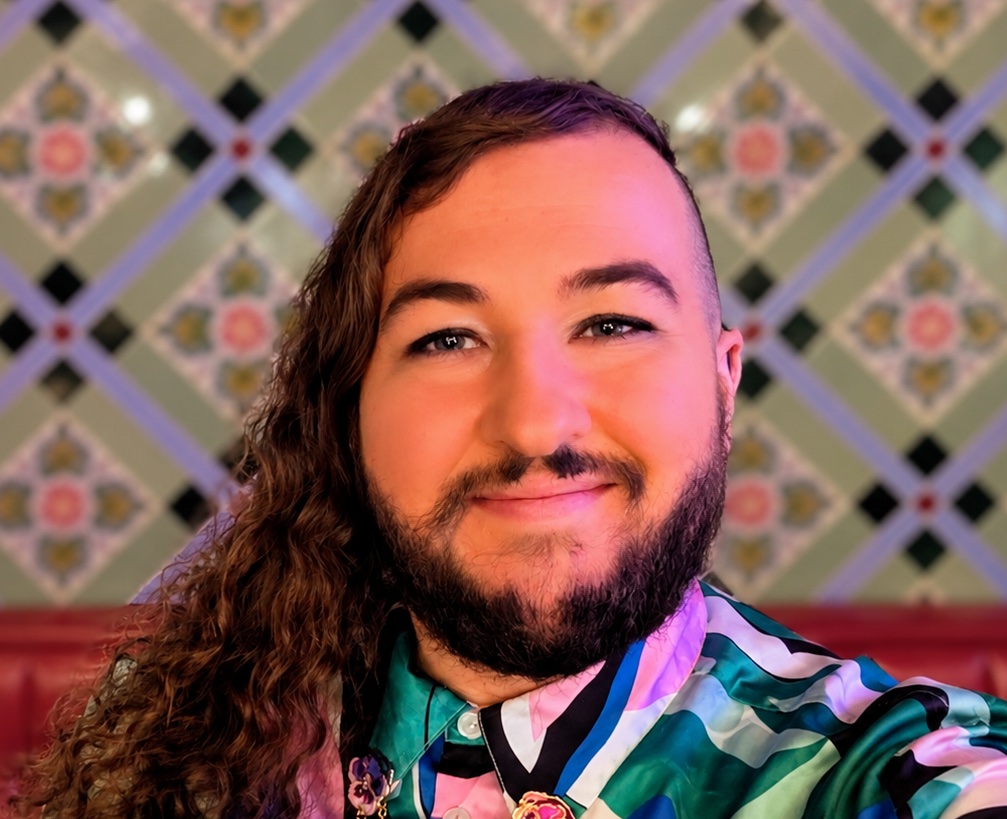
Shoun Patrick Obana

Shoun Patrick Obana

Inherent Vice C.I.C.

Queering Conservation: Developing a Community Approach to LGBTQIA+ Heritage Preservation

Biography

Shoun Obana is a museum object conservator with an interest in LGBTQIA+ heritage preservation. Trained at Durham University’s MA in Conservation of Archaeological and Museum Objects, they are Director of Inherent Vice C.I.C., a community interest company which advocates for queer heritage through publishing and community engagement.

Read abstract

The paper will outline the development of a collaborative community conservation project that aims to support LGBTQIA+ communities in preserving their material culture through facilitated, community-led practical workshops. Conservation knowledge and skills are predominantly held within professional institutions, making them difficult for communities to access. At the same time, many LGBTQIA+ individuals, community archives, and smaller heritage organisations are caring for material culture outside these large and well-funded institutional settings. Community agency within the process of preserving LGBTQIA+ material culture is not only an act of care, but can be considered an act of empowerment, and resistance, guarding against past, present and future heritage industry homophobia and transphobia. Community archiving has become a well established approach for preserving and documenting community histories, but there has been much less work done to share conservation and collections care expertise in similar settings. Supporting communities to care for their own heritage is particularly significant at a time when LGBTQIA+ communities face immense challenges to their rights, recognition, and representation, including recent high-profile acts of censorship of queer heritage in the global heritage field. The research and development of this project is being informed by consultation with LGBTQIA+ community archivists, custodians of non-institutional collections, and participants in community archiving initiatives, alongside a public facing LGBTQIA+ conservation and museum practices journal, Inherent Vice, and the development of a pilot workshop programme exploring how conservation knowledge can be shared in accessible and meaningful ways with LGBTQIA+ communities. This work has highlighted a limited public understanding of conservation ethics and practice within these contexts, alongside a clear appetite for greater access to such knowledge.

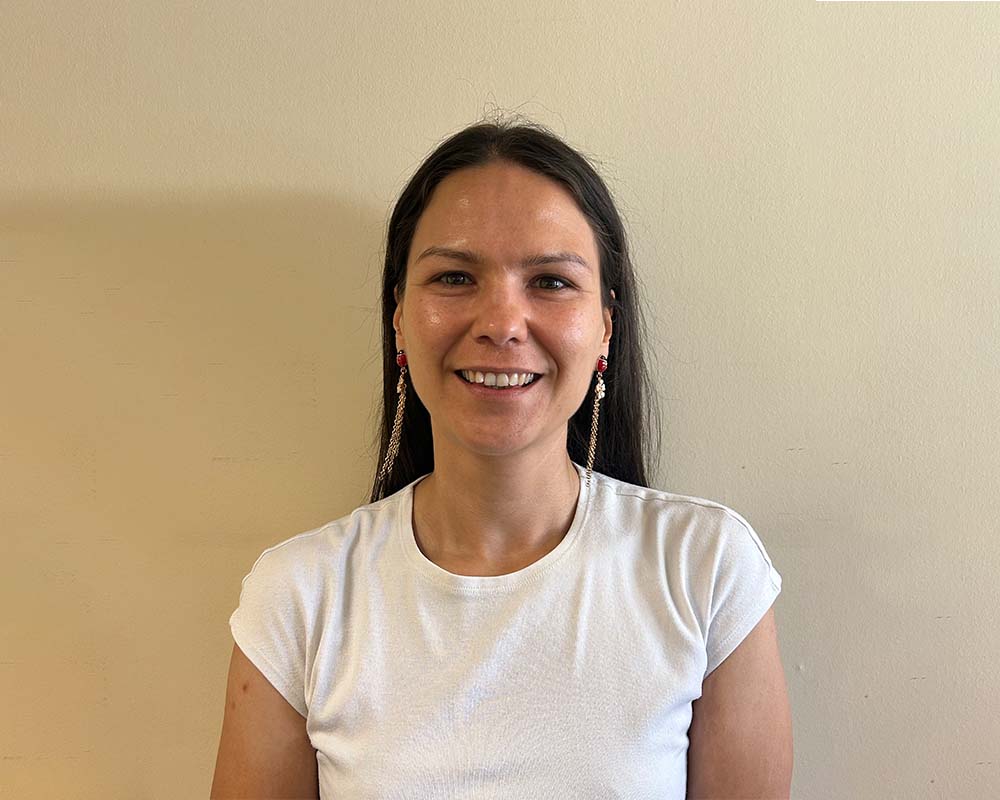
Jaime Starr

Jaime Starr

Queer Britain

Queering Conservation: Developing a Community Approach to LGBTQIA+ Heritage Preservation

Biography

Jaime Starr is Collections Manager at Queer Britain, the UK’s LGBTQ+ Museum. Their research specialism is LGBTQIA+ alternative archival practices and 20th century activist material culture. They are a Northern Bridge PhD researcher at Newcastle University, where their thesis topic is mapping the North-East’s LGBTQ+ heritage through the region’s formal and informal archives.

Read abstract

The paper will outline the development of a collaborative community conservation project that aims to support LGBTQIA+ communities in preserving their material culture through facilitated, community-led practical workshops. Conservation knowledge and skills are predominantly held within professional institutions, making them difficult for communities to access. At the same time, many LGBTQIA+ individuals, community archives, and smaller heritage organisations are caring for material culture outside these large and well-funded institutional settings. Community agency within the process of preserving LGBTQIA+ material culture is not only an act of care, but can be considered an act of empowerment, and resistance, guarding against past, present and future heritage industry homophobia and transphobia. Community archiving has become a well established approach for preserving and documenting community histories, but there has been much less work done to share conservation and collections care expertise in similar settings. Supporting communities to care for their own heritage is particularly significant at a time when LGBTQIA+ communities face immense challenges to their rights, recognition, and representation, including recent high-profile acts of censorship of queer heritage in the global heritage field. The research and development of this project is being informed by consultation with LGBTQIA+ community archivists, custodians of non-institutional collections, and participants in community archiving initiatives, alongside a public facing LGBTQIA+ conservation and museum practices journal, Inherent Vice, and the development of a pilot workshop programme exploring how conservation knowledge can be shared in accessible and meaningful ways with LGBTQIA+ communities. This work has highlighted a limited public understanding of conservation ethics and practice within these contexts, alongside a clear appetite for greater access to such knowledge.

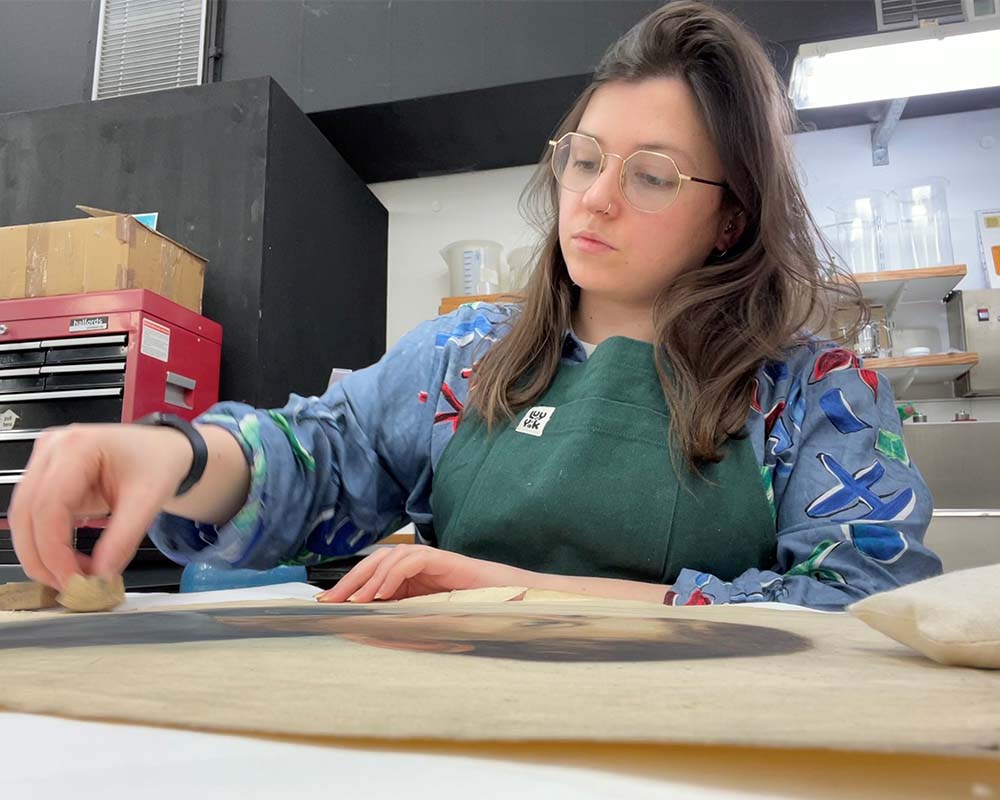
Sinem Ceylan

Sinem Ceylan

Cardiff University

Public Perspectives on Value, Damage and Authenticity in Conservation

Biography

Biography Sinem Ceylan is a PhD researcher at Cardiff University, School of History, Archaeology and Religion. Her research focuses on public participation in conservation decision-making. In collaboration with the National Trust, she uses qualitative, creative workshop-based methods to investigate decision-making processes in conservation. Professor Jane Henderson and Dr Jenny Kidd supervise her research.

Read abstract

Public Perspectives on Value, Damage and Authenticity in Conservation Contemporary conservation increasingly recognises that cultural heritage embodies meanings and values that extend beyond physical material. This paper examines the premise that conservation is never a neutral act, but a value-driven practice that shapes whose stories are protected, whose experiences are centred, and whose heritage is legitimised. This paper presents findings from an ongoing PhD project at Cardiff University, supervised by Professor Jane Henderson and Dr Jenny Kidd and conducted in collaboration with the National Trust across three properties in south-west England: Tredegar House, Ham House, and Tyntesfield. The research investigates how non-expert participants understand conservation concepts such as value, damage, and authenticity when engaging directly with heritage objects. This question becomes especially urgent in the context of shifting political expectations of heritage institutions. Through creative workshops involving 43 volunteers, the study explores how people outside the conservation profession interpret the significance of objects and the traces of change they carry. Initial findings suggest that participants often associated value with memory, emotional connection, and lived experience. Visible changes that could be described as wear or damage often prompted reflections on past histories, past users, and the social lives of objects. Authenticity was commonly understood through continuity and the ability of objects to retain significance despite change over time, even when objects had been altered or repaired. These insights demonstrate that cultural heritage holds multiple, sometimes contested meanings that extend far beyond professional definitions. Recognising these meanings is essential for ethical, accountable conservation and helps conservators fulfil their professional responsibility to recognise and respect the multiple values associated with cultural heritage. Using this evidence, we will argue that conservation is not solely concerned with preserving physical material, but also with recognising and safeguarding the meanings that make heritage significant.

Louise Walsworth-Bell

Louise Walsworth-Bell

Hugh Lane Gallery

Decant of Hugh Lane Gallery Collections from Charlemont House to External Storage Facilities

Biography

Louise Walsworth-Bell is a conservator with over 25 years experience of working in Ireland. She has worked both privately and for several institutions but is now the paper conservator with the Hugh Lane Gallery.

Read abstract

In less than twelve months from receiving the news the Hugh Lane was to close and a full nine months of exhibition schedule ahead of us the Conservation team, assisted by our technicians, Collections and an external art transport company packed over 12,000 works of art for transport from our onsite archive rooms to external storage spread over five locations. This paper will discuss how we approached the project, working together as a team, how we have [hopefully] upgraded existing problematic storage, forward-proofed the materials we used against the uncertainty of future storage locations, minimised material waste and securely relocated all our collections… all with one noted damage: a vitrine on the last truckload.

Lucia Fabbro

Lucia Fabbro

Hugh Lane Gallery

Decant of Hugh Lane Gallery Collections from Charlemont House to External Storage Facilities

Read abstract

In less than twelve months from receiving the news the Hugh Lane was to close and a full nine months of exhibition schedule ahead of us the Conservation team, assisted by our technicians, Collections and an external art transport company packed over 12,000 works of art for transport from our onsite archive rooms to external storage spread over five locations. This paper will discuss how we approached the project, working together as a team, how we have [hopefully] upgraded existing problematic storage, forward-proofed the materials we used against the uncertainty of future storage locations, minimised material waste and securely relocated all our collections… all with one noted damage: a vitrine on the last truckload.

Harriet Gillespie

Harriet Gillespie

National Museums NI

Hot & Bothered: An HVAC Shutdown Response

Biography

Harriet is the paper conservator for National Museums NI. Her remit includes working across art, modern history, folk & transport collections. She is a graduate of Conservation of Fine Art MA from Northumbria University, specialising in the conservation of works of art on paper, and holds a BSc in Chemistry from Heriot-Watt University Edinburgh. Previous roles have included The National Archives UK, Trinity College Library and The National Archives of Ireland.

Read abstract

During April - August 2025, the HVAC malfunctioned at NMNI collections storage facility. The art on paper and history collections are stored in a mezzanine, very close to the roof. Airflow was restricted in this area, with shelving units backed with plyboard. Translucent panels on the roof had been painted black to block daylight, but had unfortunately become an emitter of heat, creating hotspots along the mezzanine. This created a perfect storm that reached up to 35 degrees celcius, a temperature uncomfortable for both staff and the collection. The team had already been preparing to move the unframed art on paper collection up to the Ulster Museum. As they had somewhere to go, this could be prioritised with an all-hands-on-deck approach. Concerns remained with the framed works of art on paper and the history collection. These included the Arts Council NI donation and a selection of framed artworks that were still sealed in bubble wrap from the decant of the Ulster Museums stores 17 years ago. Due to legacy issues during the decant, the history collection may contain undocumented photographic material & we can't confirm sensitive film negatives are not present without physically searching the boxes. With space pushed to the limit, a safer location will cause a knock-on effect for other collections to move. Whilst the chiller is now fixed, it has highlighted a future problem for decanting this space in an emergency situation. And, who is to say it won't break down again? This paper will present the collaborative decision-making processes to move & improve storage of this collection, actions taken to de-frame and rehouse the works on paper that have been subject to fluctuating heat. It will also outline plans to move the history collection, and how one collections move can impact others.

Julia Poirier

Julia Poirier

University College Dublin Library

From Field to Storage: Rehousing the National Folklore Collection’s Wax Cylinders in Preparation for Relocation.

Biography

Julia Poirier is the Book and Paper Conservator at University College Dublin (UCD) Library, since November 2025. She is responsible for the preservation and conservation of the library’s Collections (Special Collections, Archives and National Folklore Collection), and is currently setting-up the new conservation laboratory in the Library. She was previously the Book Conservator at Maynooth University Library, and the Book and Paper Conservator at the Chester Beatty, Dublin. Julia is accredited through ICRI since 2016. She holds an MA in Works of Art Conservation from Northumbria University, UK (2010) and a traditional bookbinding degree from École Estienne, Paris, France (2004).

Read abstract

As part of preparations for the relocation of the National Folklore Collection (NFC) to the new Cultural Heritage Centre at UCD Library, a project was undertaken to rehouse 1,200 original wax cylinders. Supported by the Heritage Council of Ireland, this work forms part of wider efforts to prepare the NFC collection for transfer to purpose-built storage facilities in 2027. Dating from 1897 to the late 1950s, the cylinders contain recordings in Irish and English collected throughout Ireland by fieldworkers using Ediphone recording technology. Capturing songs, stories, customs, and oral histories, they represent an important record of Ireland’s intangible cultural heritage and the development of early sound recording practices. Although digitised in the early 2000s, these objects remain significant artefacts in their own right. Made from fragile wax-based materials, they are vulnerable to physical damage, deformation, surface loss, and mould growth when stored in unsuitable conditions. Their preservation therefore presented particular challenges in advance of a large-scale collection move. This paper will briefly explore the history of the collection before focusing on the materiality of wax cylinders, the deterioration mechanisms affecting them, and the conservation rationale behind the rehousing programme. It will discuss the development of rehousing protocols, documentation methodologies, and the appraisal of historic housing materials, as well as the temporary relocation of the collection following rehousing. The presentation will also reflect on the practical realities of delivering a large preservation project, including the training and supervision of library staff and interns. This paper examines the rehousing project of rare and fragile audio materials, highlighting the critical role of preventive conservation in safeguarding historically significant collections during large-scale relocation.

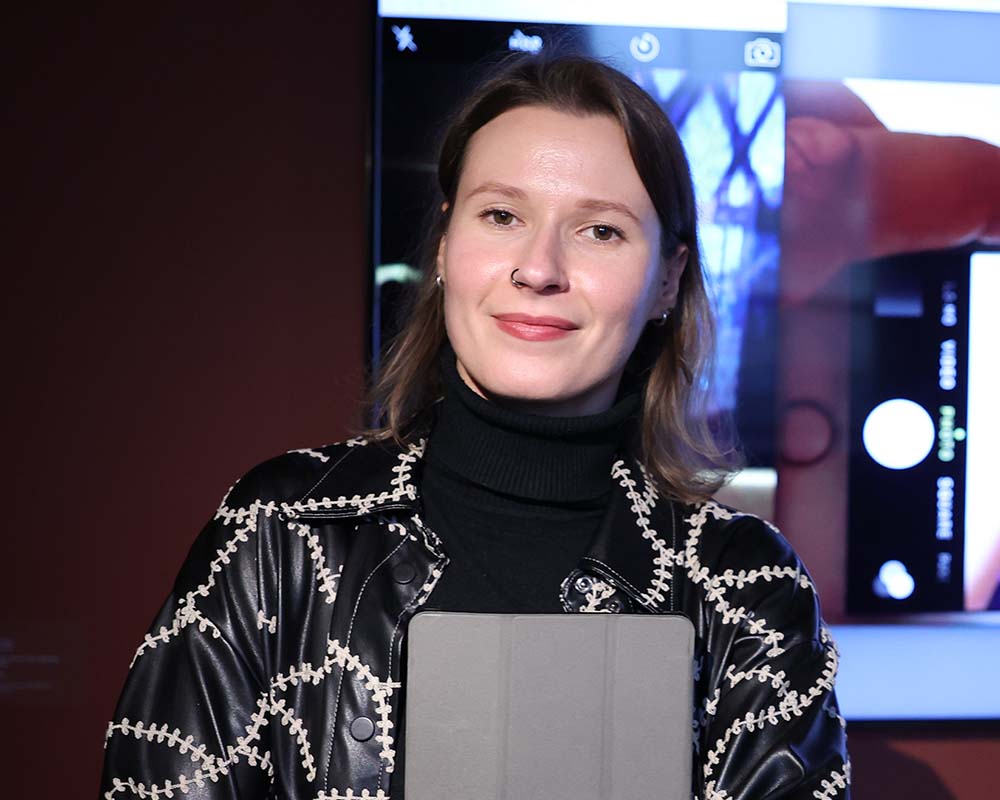
Sonia Milewska

Sonia Milewska

Irish Museum of Modern Art

From Acquisition to Reactivation: Rethinking Storage in Time-Based Media Art Conservation at IMMA

Biography

Sonia Milewska is a contemporary art conservator and media art researcher, currently working as a Time-Based Media Art Conservation Fellow at the Irish Museum of Modern Art (IMMA) in Dublin. She collaborates with museums and cultural institutions in Ireland, the Netherlands, and Poland, supporting artists and collections through conservation, documentation, and production. As part of the Erasmus Mundus Media Arts Cultures programme, she researches media art preservation, with a focus on sustainability, technological change, and evolving conservation methodologies for time-based media artworks.

Read abstract

The presentation examines the acquisition of Romantic Ireland (2024) by Eimear Walshe into the collection of the Irish Museum of Modern Art (IMMA) as a case study in the conservation of time-based media art. Responding to the conference theme Storage in Motion, it explores how acquisition and storage are not passive acts of preservation but ongoing processes of negotiation, adaptation, and future activation. A key consideration during acquisition was the significant quantity of technical equipment required to realise the work. Questions emerged around storage capacity, long-term maintenance, technological obsolescence, and the future usability of hardware. Discussions with the artist focused on whether technologies underpinning the work could be replaced, upgraded, or migrated while preserving the work's integrity. Rather than viewing stored equipment as fixed artefacts, the acquisition process considered how components might be reused, reconfigured, or substituted over time to ensure the work's continued display. The research traces the acquisition process through documentation, technical assessment, and diverse consultations. Drawing on interviews with the artist, IMMA's technicians, earth builders and producers involved in earlier iterations of the work, it highlights the importance of capturing technical knowledge and unique skills alongside physical assets. These conversations reveal how expertise, decision-making, and installation practices become critical elements of conservation. The presentation also considers the social dimensions of the work, including the contributions of earth builders and other collaborators involved in previous iterations. Their participation shapes part of the work's history and future realisation, suggesting that museums collect not only equipment and files but also relationships, knowledge, and networks of care. Through Romantic Ireland case study, the research paper proposes a model of acquisition in which storage is understood as an active and dynamic practice, supporting the future movement, reinterpretation, and reactivation of time-based media artworks.